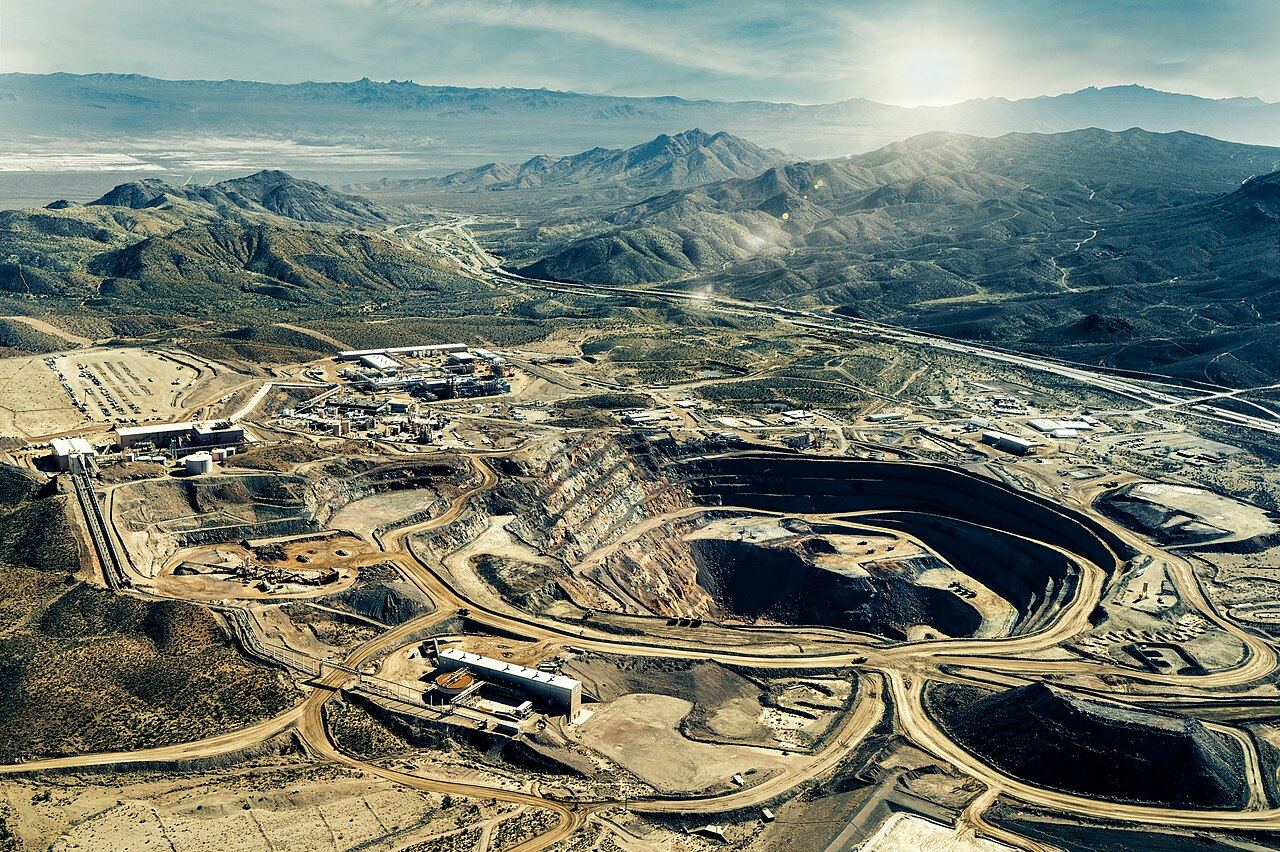
Africa's pipeline of critical-minerals projects has expanded by 36% since early 2025, according to an updated database compiled by Paris-based Africa Business+ and EY, even as the surge in exploration and development has yet to translate into much new production.
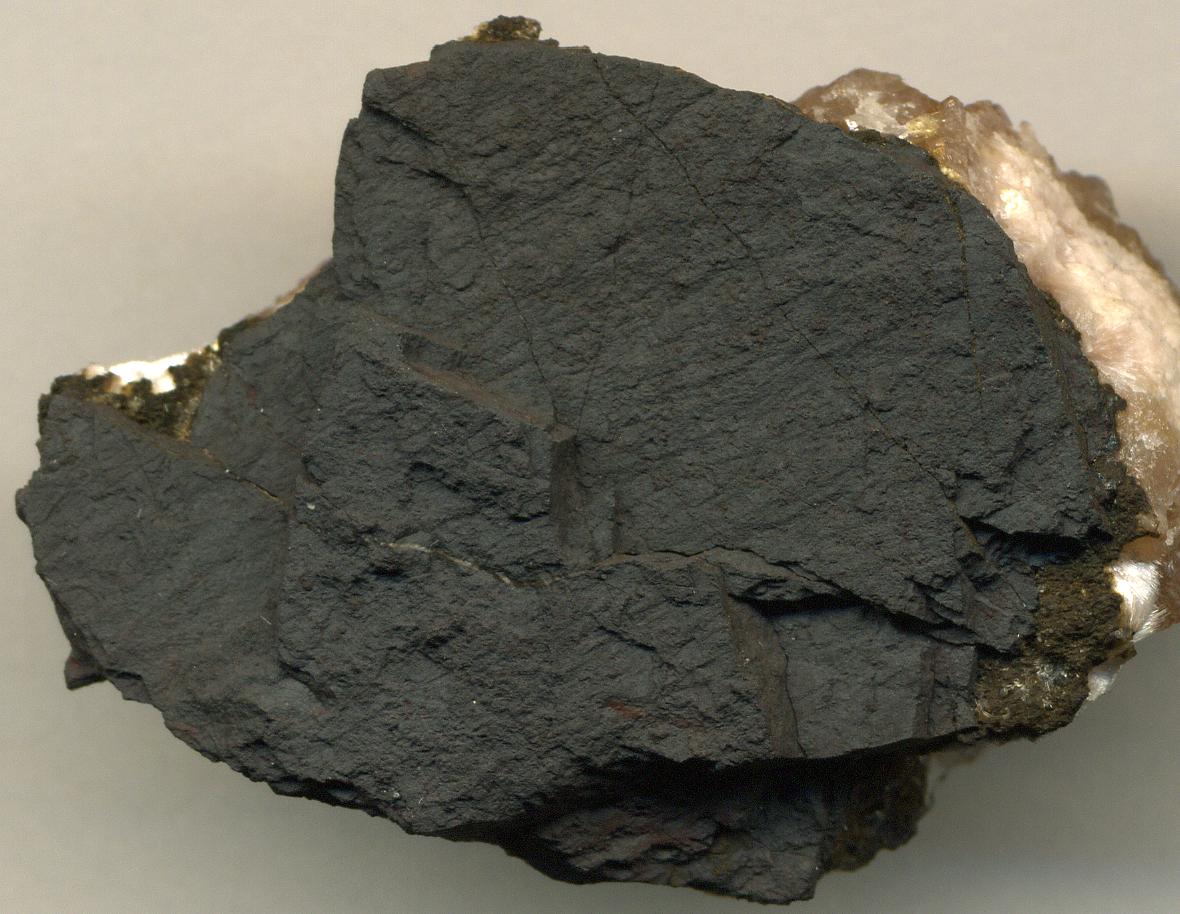
Manganese ore from the Kalahari Manganese Field, Northern Cape, the world's largest land-based manganese deposit and among the critical minerals now central to India-South Africa trade talks.
The researchers estimate that discovery-to-production timelines across the continent run 15 to 17 years, a structural lag that helps explain why growing investor interest in Africa's mineral wealth is not yet showing up in export or output figures. Capital requirements and development risk for expanding an existing operation remain significantly lower than for building a new mine from scratch.
The database also identifies 101 processing facilities across the continent, concentrated in South Africa, the Democratic Republic of Congo and Zambia. Governments in the region are increasingly using mining policy to push for more of that processing to happen domestically, rather than shipping unprocessed ore and concentrate abroad, echoing the beneficiation push South Africa has made at recent trade talks.
China remains deeply embedded in that processing buildout, a presence that continues to shape how much of Africa's critical-minerals output is refined on the continent versus overseas. Major new projects moving through development, including Ivanhoe's Platreef platinum-group metals mine in Limpopo, illustrate both the scale of investment flowing into the sector and how long it takes for that investment to reach full production.